Conversations
Listen to each conversation, read along, and practise until it feels natural.
Conversation 1 of 6
The Global Mental Health Crisis
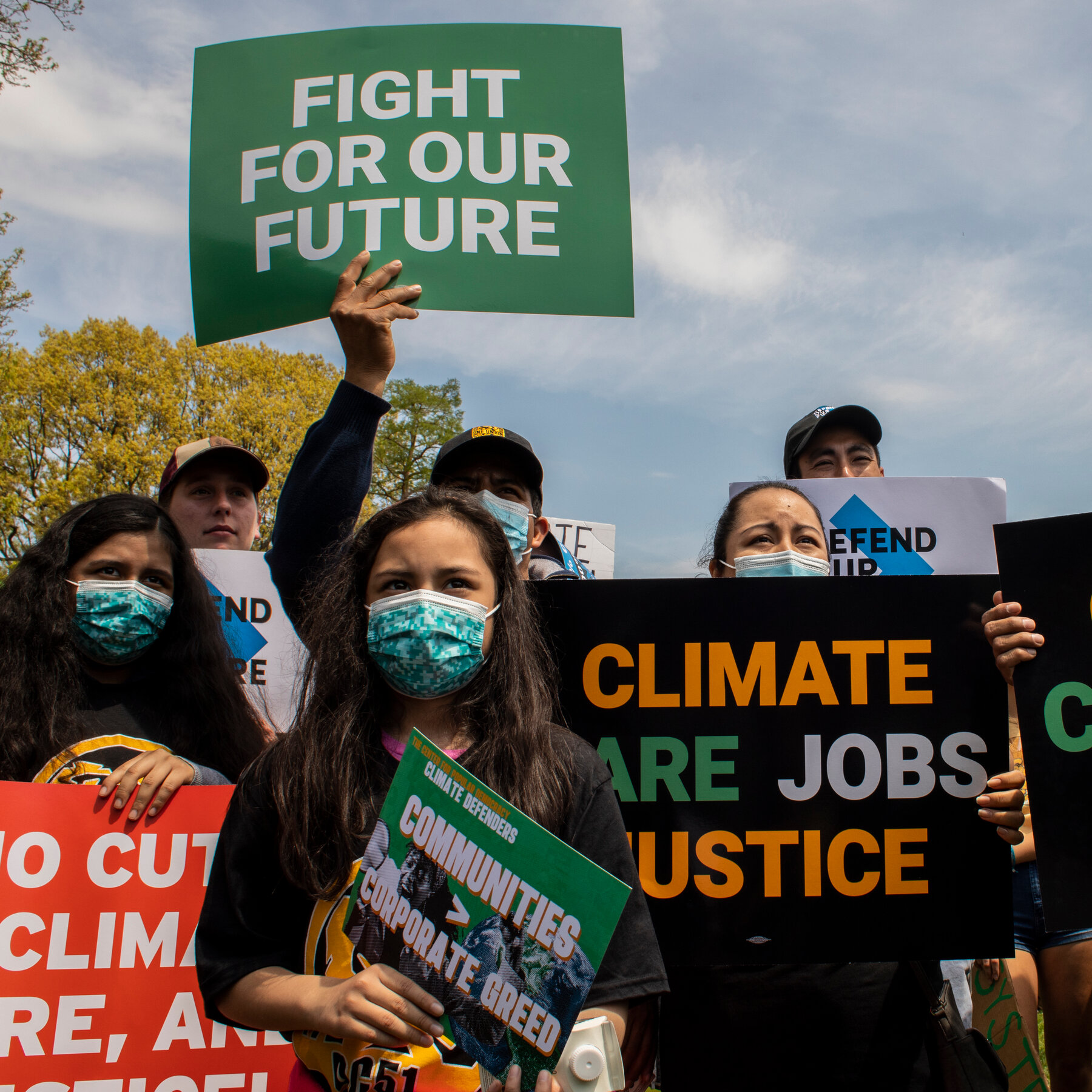
Presenter
Tonight we're discussing the global mental health crisis. Doctor, what's driving this?
Doctor
Multiple factors. The pandemic had a profound impact, but we were already seeing rising rates of anxiety and depression before that.
Presenter
What are the main barriers to people seeking help?
Doctor
Stigma remains the biggest barrier. Many people still feel ashamed to admit they're struggling.
Presenter
How can that be addressed?
Doctor
Open conversations like this one help. When public figures talk about their mental health, it normalises seeking support.
🎧 Listen:
Conversation 2 of 6
Food Security
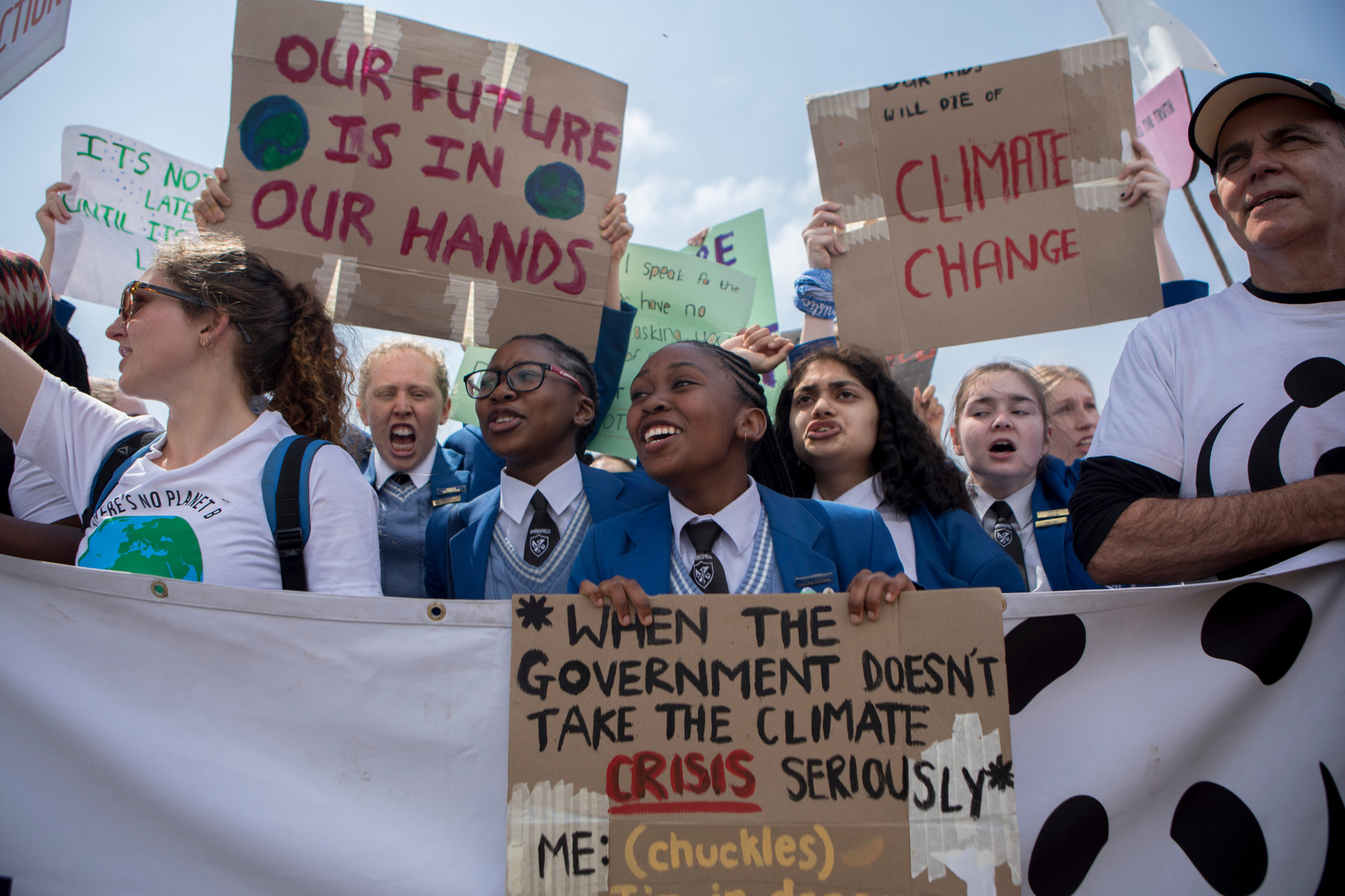
Student 1
I've been reading about food security and I'm genuinely alarmed by the statistics.
Student 2
It is alarming. Over eight hundred million people go to bed hungry every night, despite the world producing enough food for everyone.
Student 1
So it's a distribution problem, not a production problem?
Student 2
Partly. But also a waste problem. About a third of all food produced globally is wasted.
Student 1
That's extraordinary. What can be done at a policy level?
Student 2
Better supply chain infrastructure in developing countries, reducing subsidies that distort markets, and investing in sustainable agriculture.
🎧 Listen:
Conversation 3 of 6
At a Climate Conference
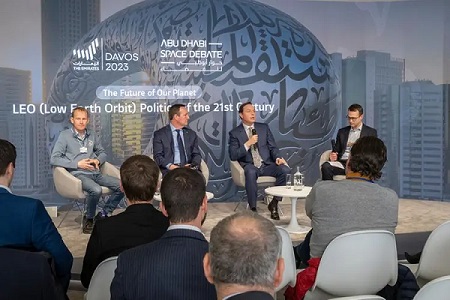
Reporter
We're here at the climate conference. What are your expectations for the outcome?
Delegate
I'm cautiously optimistic. There's more political will than I've seen in previous years.
Reporter
What are the key issues on the table?
Delegate
Financing for developing nations is the central issue. They're bearing the brunt of climate impacts despite contributing least to the problem.
Reporter
Is the current level of commitment from wealthy nations sufficient?
Delegate
Frankly, no. The pledges made so far fall well short of what the science tells us is needed.
🎧 Listen:
Conversation 4 of 6
Should University Be Free?
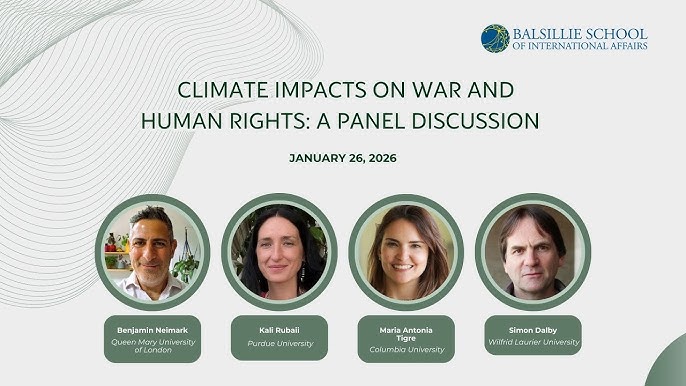
Host
Tonight's debate: should university education be free for all? Let's hear both sides.
Speaker 1
I strongly believe it should. Education is a public good that benefits society as a whole, not just the individual.
Speaker 2
I understand the sentiment, but free university education is not truly free. Someone has to pay for it.
Speaker 1
Yes, through progressive taxation. Those who benefit most financially from their education contribute more back.
Speaker 2
But that means asking people who didn't go to university to subsidise those who did. Is that fair?
Speaker 1
Higher education graduates earn more, pay more tax, and contribute more to the economy over their lifetimes.
🎧 Listen:
Conversation 5 of 6
The Refugee Crisis
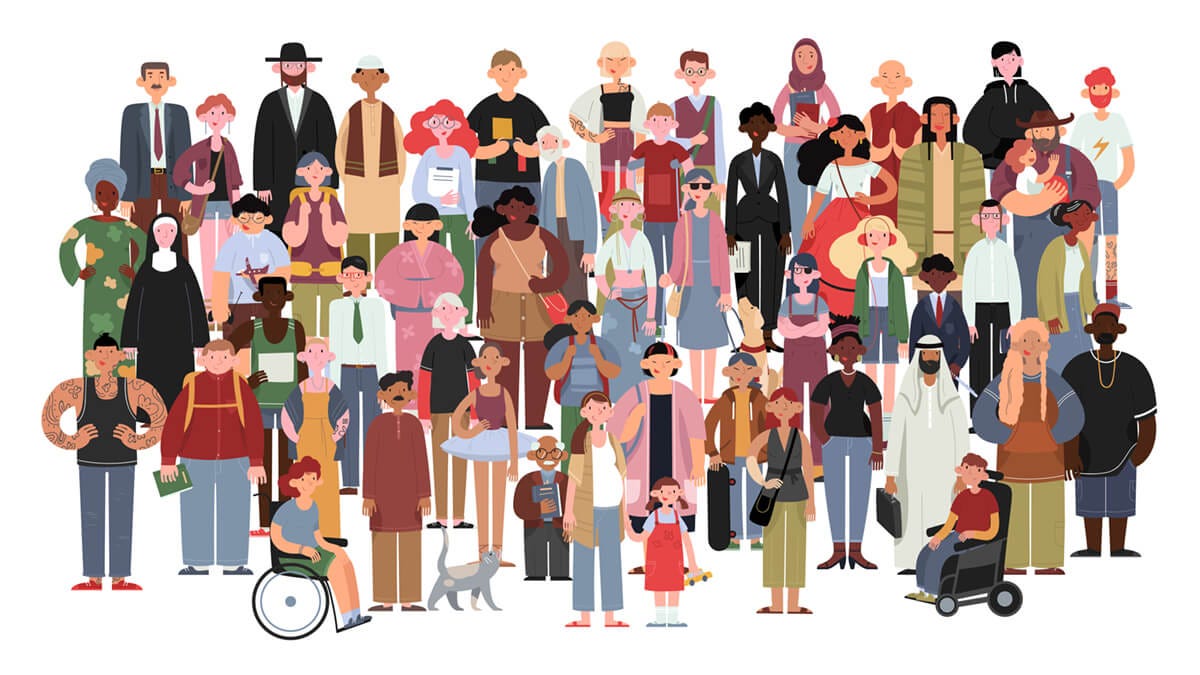
Friend 1
I've been following the news about the refugee crisis. It's heartbreaking.
Friend 2
It is. The scale of displacement globally is at its highest level since the Second World War.
Friend 1
What do you think is the right response from wealthy countries?
Friend 2
I think there's a moral obligation to provide refuge to people fleeing war and persecution.
Friend 1
But there are practical challenges around integration, housing, and employment.
Friend 2
Those challenges are real, but they're manageable with the right investment and political will.
🎧 Listen:
Conversation 6 of 6
The Digital Divide

Moderator
Our final topic tonight is the digital divide. What is it, and why does it matter?
Expert
The digital divide refers to the gap between those who have access to technology and the internet and those who don't.
Moderator
Who is most affected?
Expert
Elderly people, those in rural areas, low-income households, and people in developing countries.
Moderator
How significant is this gap in practical terms?
Expert
Enormous. During the pandemic, children without internet access fell significantly behind in their education.
🎧 Listen:
✍ Unit 6 Quiz
Test your understanding of all 6 conversations. Score 70% or above to pass.
1. The doctor says ___ remains the biggest barrier to seeking mental health help.
2. About a ___ of all food produced globally is wasted.
3. The digital divide refers to the gap between those who have ___ to technology and those who don't.
4. What does the delegate say is the central issue at the climate conference?
5. How does Speaker 1 propose to fund free university education?
6. What does Friend 2 say about the challenges of refugee integration?
7. Match the global issue to the key fact:
Mental health
Food security
Climate
Digital divide